

We did it!
One newsletter dedicated to tech sales, every week, for a hundred weeks. Over time, this attracted a mixed audience of sales reps, GTM leaders, VCs, investors, and industry insiders who were curious about applying the mental models of tech sales to a diverse set of challenges within the industry. This works because in order to be both compelling and insightful in tech sales, you need to develop a multidisciplinary approach and be open to feedback. There is always something new to be learned, a different way to position things, a new reason why what you thought was going to happen didn’t. The hottest fires forge the strongest steel, and this is profoundly true for tech sales, now more so than ever before.
The next one hundred issues of this newsletter will be written against the backdrop of a very turbulent time in tech. While we don’t know how things will play out, there are some directional guesses that we can make:
Cloud infrastructure software will be considered the only real form of Enterprise software that’s monetizable. Everything else will be either open source or AI-generated.
Sales headcount will be stagnant or shrink. The minimum bar to enter and stay in the game will continue to increase. Most companies are not prepared for this.
Your ability to use and sell AI will become synonymous with doing the job.
These are directional bets rooted in the reality we see today. While you can always take the opposite side of the bet, I think that would be a strategic mistake at this stage. Now let’s take a deep dive into the state of cloud infrastructure software as of today.
The key takeaway
For tech sales: Cloud infrastructure software represents the biggest opportunity in tech sales today. Whether this is an established incumbent or well-funded startups, every opportunity could be lucrative for those with technical affinity and the right set of skills.
For investors: If value will continue to accrue at the bottom of the stack, then investing in products that make it easier to build the software of tomorrow is a logical step. Currently the most interesting new category is focused around how to make AI agents perform well in production - with a variety of companies trying to bring new tooling to the market that would help accelerate this process.
Cloud infrastructure software will eat the world
Over the next two weeks, we will explore the core thesis behind the “InfraRed” report by Redpoint Ventures.
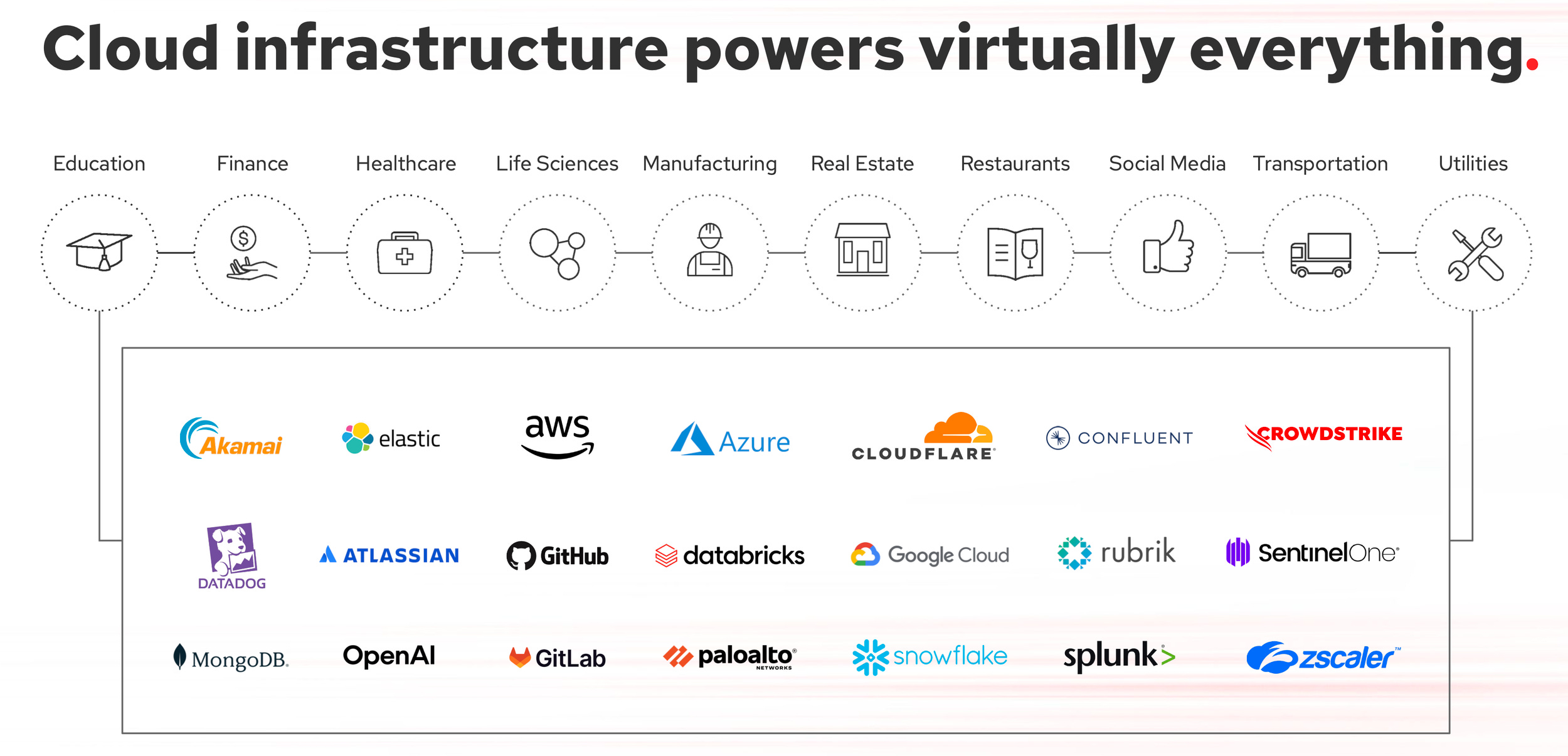
When we talk about cloud infrastructure software, what we are referring to is the core thesis of this newsletter.
My strong conviction bet is that computing power is the most important resource, alongside oil. Everything that we build in the worlds of atoms and bits depends on it. What are the most important attributes of computing power?
Obtaining it (The art of designing and printing silicon)
Utilizing it (Building applications powered by AI)
Keeping it running (Orchestrating and observing resilient systems)
Protecting it (Securing computing power through software, people, and processes)
When I refer to AI, I focus on both cutting-edge LLMs, as well as ML at enterprise scale.
I believe that the highest value will accrue at the bottom of the stack, which means the chip makers, the cloud hyperscalers and their marketplaces, AI model makers, and select ISVs across data platforms, observability, and cybersecurity.
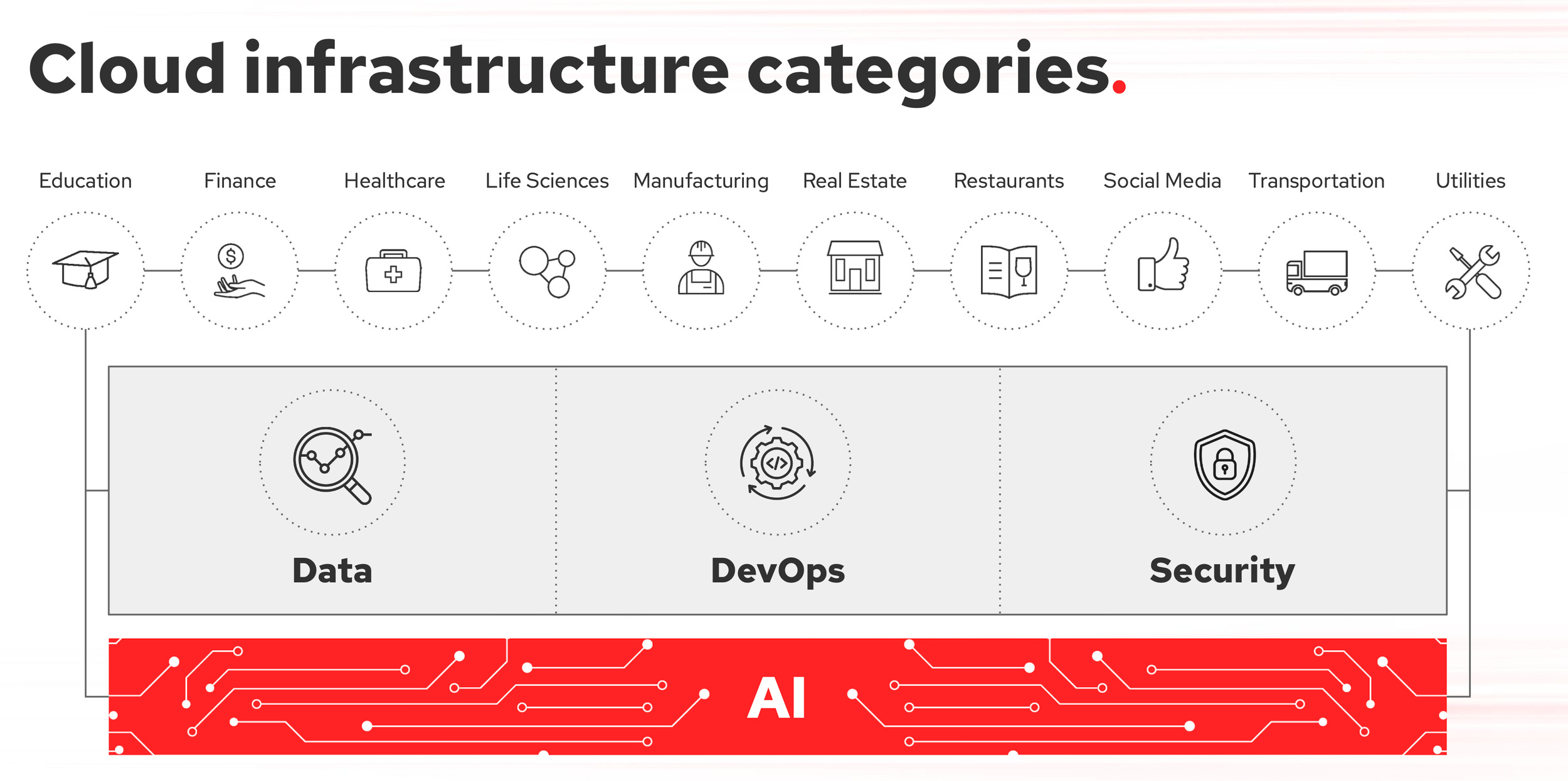
Since the InfraRed is focusing on the software side, they skip the topic of “obtaining” computing power and focus on the key ways to utilize it, run it and secure it. From their point of view, AI is becoming a foundational layer of how we will interact and run software, with data platforms, DevOps-oriented products (i.e. anything that touches CI/CD pipelines) and cybersecurity being the key opportunities for ISVs.
This is directionally correct but I think that it doesn’t account for the complex role that the hyperscalers play, as the primary provider of both compute and the most widely adopted tools to build, secure and run software. Ultimately the point of view from Redpoint is that there’s never been a better time to build in infrastructure software.